
Running a Rural Health Camp with a Box Clinic: A Field Guide
A camp's value is decided after the tents come down. Planning, patient flow and follow-up for teams in the field.
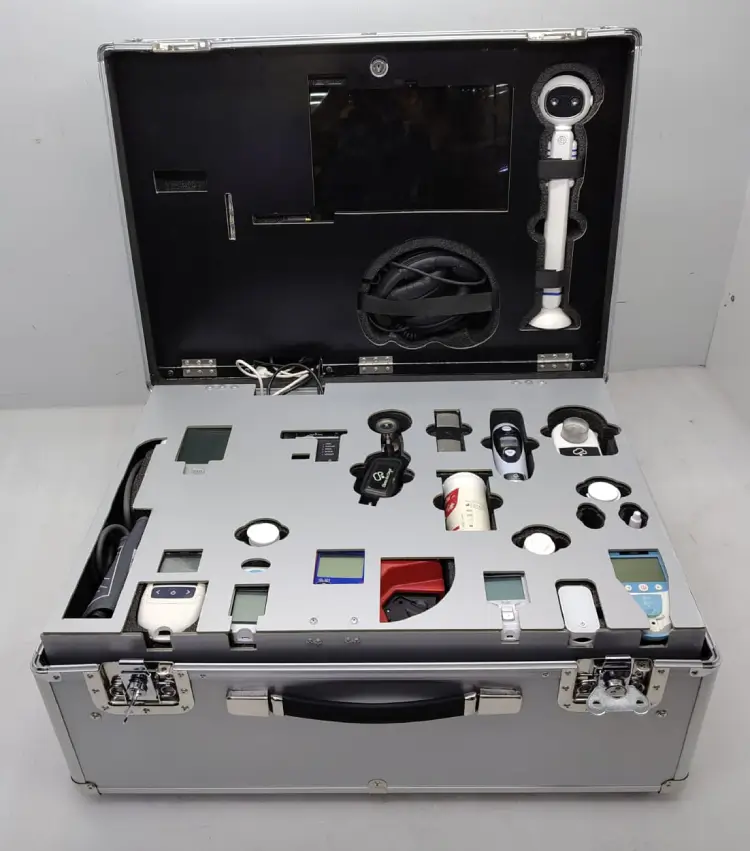
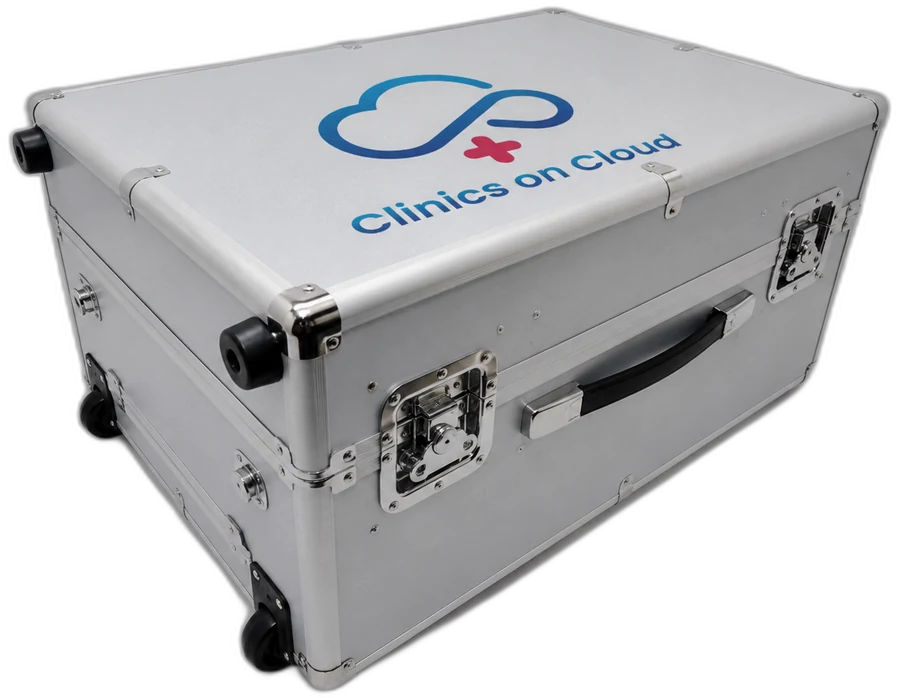
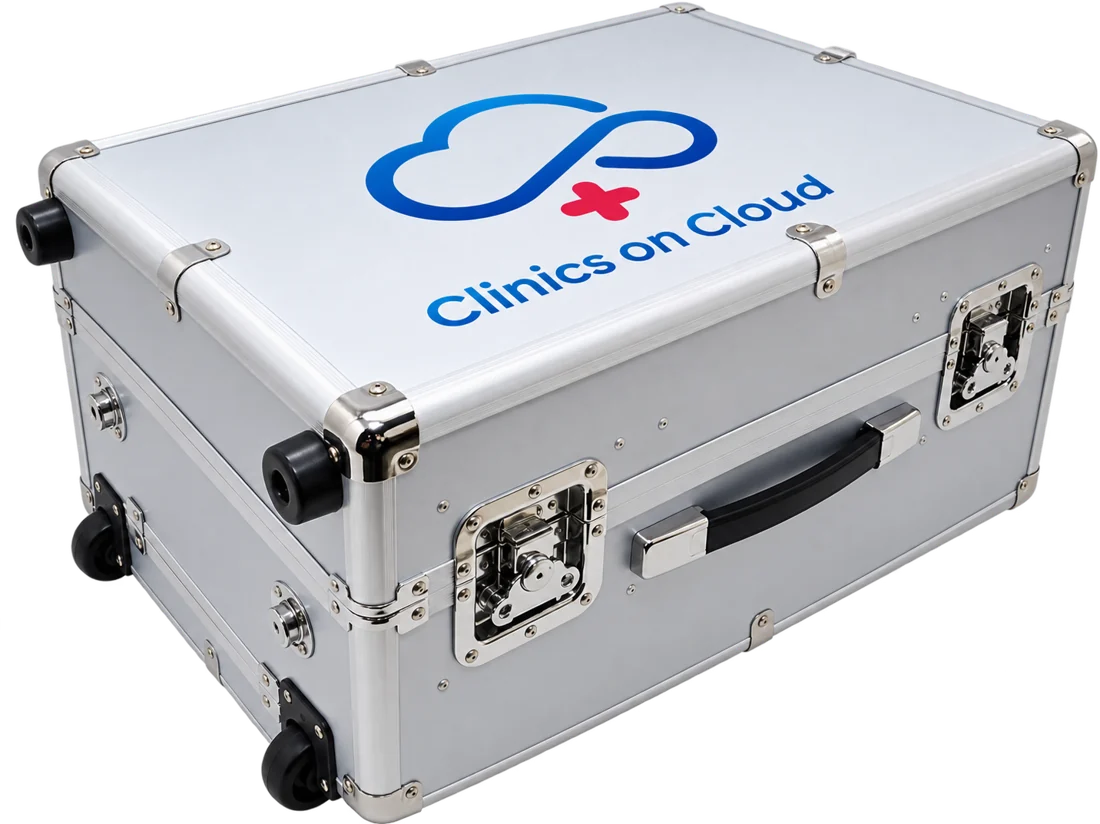
A box clinic is a complete digital clinic packed into a portable case. It sets up in minutes, needs no building or lab, and lets a small field team screen people and connect them to a doctor wherever they gather. If you're new to the product, read Portable Box Clinic: Taking a Complete Digital Clinic to Every Doorstep first.
This guide is for the people who run the camps: NGO coordinators, CSR managers, district health officers and field teams.
Before the camp: plan for turnout and follow-up
Pick the right site. Choose a place people already visit: a school, panchayat office, temple courtyard, community hall or factory gate. You need a table, a few chairs, shade and a power source.
Mobilise the community. Brief local leaders and community health workers a few days ahead. Tell people the date, the time and that the checkup is quick.
Decide the test menu. Match tests to the population. A rural adult camp might focus on blood pressure, blood sugar (HbA1c), haemoglobin and ECG. A school camp might add vision, hearing and dental screening. A worksite camp might add pulmonary function.
Arrange doctor access. Schedule teleconsultation doctors for the camp hours so every flagged patient can speak to one on the spot.
On the day: set up in minutes
- 1. Unpack the Box Clinic and connect the devices.
- 2. Power on and check connectivity. If the signal is weak, work offline; records sync later.
- 3. Set up a simple flow: registration, screening, doctor consult, report handover.
- 4. Brief volunteers on guiding people through voice-assisted registration.
Keeping patient flow smooth
| Station | What happens | Tip |
|---|---|---|
| Registration | Voice-guided details and history in the local language | Have a volunteer help elderly visitors |
| Screening | Vitals and rapid tests on connected devices | Group finger-prick tests to save time |
| AI assessment | Health score and risk flags generated instantly | Prioritise flagged patients for the doctor |
| Doctor consult | Teleconsultation with full context on screen | Use a quiet corner with headphones |
| Report | Smart Report and e-prescription on WhatsApp | Print for people without smartphones |
After the camp: make screening count
A camp's value is decided after the tents come down.
- Follow up on abnormal results. Call or visit everyone with high-risk flags within a week.
- Track referrals. Record who reached a hospital or specialist.
- Plan the next visit. Return on a fixed schedule so chronic conditions are monitored, not just found.
- Report impact. Clinics On Cloud dashboards show people screened, abnormalities found and referrals, with the reporting a CSR audit asks for.
Why a box clinic beats a traditional camp
- No lab or bulky equipment to transport
- Results on the spot, not days later
- A doctor for every flagged patient, even without one on site
- Digital records instead of paper registers that get lost
- Works offline in areas with weak connectivity
Common mistakes to avoid
- Screening without a follow-up plan
- Choosing a site people have to travel to
- Running out of rapid-test consumables mid-camp
- Skipping doctor slots, leaving flagged patients with only a printout
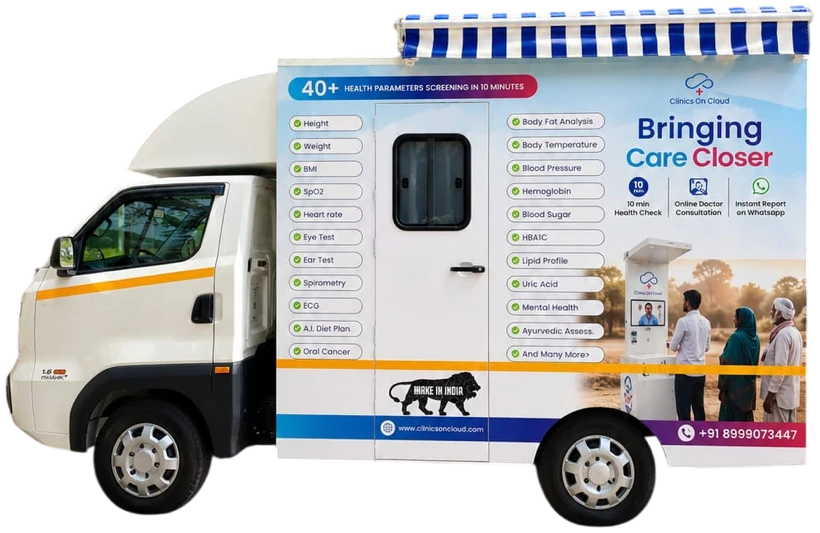
For programmes covering many villages on a route, a Mobile Medical Unit may suit better; our field notes on rural healthcare compare the two.
Further reading. Health ATM · health kiosk · telemedicine health kiosk · mobile medical unit · AI care pod · AI box clinic.
Run your next camp with a box clinic
Clinics On Cloud supplies, trains and supports box clinic teams for governments, NGOs and CSR programmes. Book a demo, call +27 69 194 3227 or email sales@clinicsoncloudafrica.com.